Pro San Antonio TX Locksmiths Service Team
Local locksmith team
Aug 22, 2026 10 min read
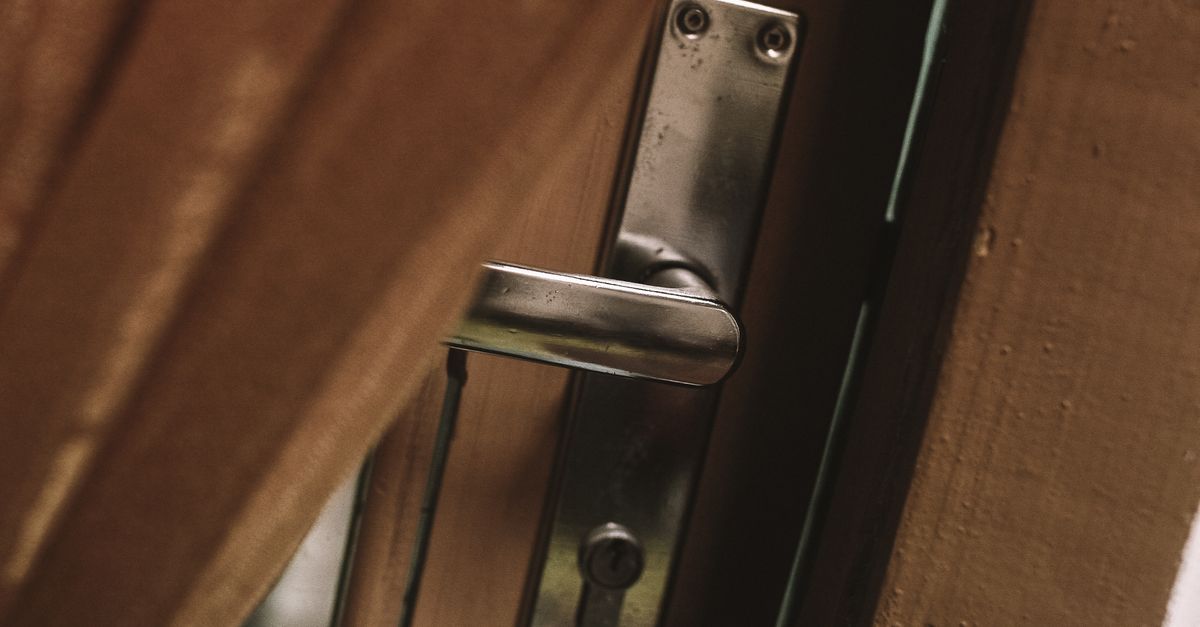
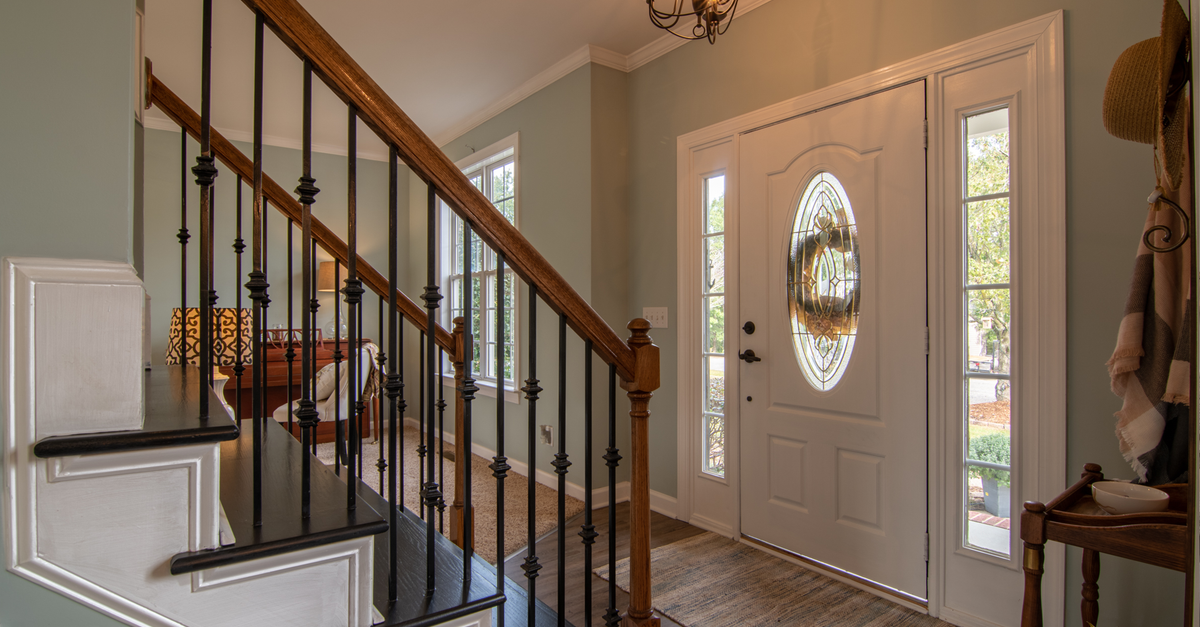
You are standing at your front door on the north side of San Antonio — maybe near Alamo Ranch, maybe just off Loop 1604 — and the key is gone. Lost, broken, never existed in the first place because you just moved into a home and the previous owner handed you nothing. The question running through your head is a fair one: can a locksmith actually make a working key when there is no original to copy? The short answer is yes, and the process is more precise — and more interesting — than most people expect.
Key origination, as locksmiths call it, is the skill of reading a lock's internal mechanics and cutting a brand-new key from scratch. It applies to home deadbolts, mortise locks on commercial doors, door knob locks on rental units, and even the transponder keys in modern vehicles. This guide explains exactly how it works, when you need it, and what to expect when you call a mobile locksmith San Antonio team to handle the job on-site.
## Can a Locksmith Make a New Key From a Lock? The Decoding Process Explained
Every pin-tumbler lock — which covers the vast majority of residential deadbolts, door knob locks, and mortise locks used on San Antonio homes and businesses — works by stacking pairs of spring-loaded pins inside a cylinder. A correctly cut key lifts each pin stack to exactly the right height, aligning all the gaps at what locksmiths call the shear line, and the cylinder rotates. When a locksmith needs to originate a key with no original in hand, they work backward from those same pins to figure out the precise cuts a key would need to make.
The primary method for an installed lock is called decoding. A skilled locksmith inserts a specialized decoding tool or a series of gauge picks into the keyway and measures the depth of each pin stack individually. Those measurements correspond to specific cut codes — a numbered sequence that any professional key-cutting machine can translate into a physical key. For high-security mortise locks, which are common in older San Antonio commercial buildings and historic-district properties, the process may also involve consulting manufacturer bimorphic code databases using the lock's stamped serial number. Either way, no guessing is involved. It is a measured, methodical craft.
## Residential Lockout and Rekey Services: What Happens at Your Front Door
For homeowners, the most common reason to need a key originated from scratch is a lockout combined with lost keys — meaning rekeying alone will not restore access because there is no working key to verify ownership in the first place. A professional locksmith handles this in a specific sequence: they first confirm you are the resident or authorized occupant (photo ID matching the address, a lease, a closing document), then they use non-destructive entry techniques to open the lock, and finally they either decode and cut a new key to the existing lock or rekey the lock to a fresh key series entirely. If the lock is worn, a damaged door knob lock or an aging deadbolt, they may recommend replacing it altogether — and yes, a skilled locksmith can install a deadbolt of your choosing while they are already on site.
Renters in San Antonio sometimes ask whether they can change the lock on an apartment themselves. Legally and practically, the answer depends on your lease and Texas Property Code. Texas law does give tenants specific rights around security devices, but landlord notification or approval is typically required before you change the lock or add a deadbolt — and doing it incorrectly can damage the door frame and trigger lease penalties. A professional locksmith can walk you through a rekey (which changes the internal pins so old keys no longer work, without replacing the hardware) as a faster, landlord-friendly alternative that still gives you full control over who holds a working key.
## Mortise Lock and Commercial Locksmith Key Origination in San Antonio
Mortise locks deserve their own discussion because they are fundamentally different from the cylindrical locks found on most residential doors. A mortise lock is a full-body unit that slides into a deep rectangular pocket cut into the door edge — you see them on heavy commercial doors, older storefronts along San Antonio's downtown streets, and many historic properties in the King William District and Monte Vista neighborhoods. They typically combine a latch, a deadbolt, and sometimes a lever or knob all in one case, and they use a different keyway geometry than standard residential hardware. As a commercial locksmith service, our team carries the decoding tools and key blanks specific to major mortise lock formats, so originating a key on-site is entirely feasible without pulling the lock off the door.
For businesses, a lockout or lost master key is an operational emergency. An experienced commercial locksmith does more than cut a replacement key — they assess whether the key was lost in a way that compromises security (a stolen key versus one lost at home), advise on whether a rekey or full lock change is warranted, and can implement a master key system across multiple mortise locks and door knob locks so different staff members access only the areas relevant to their role. If you manage a retail space, office suite, or restaurant in San Antonio and need this kind of layered access solution built from scratch, that is a core part of what a qualified commercial locksmith provides.
## Emergency Locksmith Car Key Origination: Can a Locksmith Unlock My Car and Make a New Key?
Vehicle key origination is the most technologically demanding version of this service, and it is where a lot of drivers get surprised. Yes, a trained emergency locksmith can unlock your car — but if your key is lost rather than just locked inside, a simple slim-jim entry is only the first half of the job. Modern vehicles, including most cars and trucks made after 2000, use transponder chips embedded in the key head. The car's immobilizer system will crank but not start unless the chip's unique code is recognized by the ECU. Originating a replacement transponder key requires a combination of mechanical key cutting (using the lock's bitting code, pulled from the door lock or ignition cylinder) and electronic programming via an on-board diagnostics interface that syncs the new chip to the vehicle's computer.
A fully equipped mobile locksmith San Antonio team carries the decoding equipment, blank transponder keys, and programming hardware to do all of this on the spot — no tow truck, no dealership wait, no having your car sit in a parking lot overnight. The process works for key fobs, switchblade keys, and proximity smart keys as well, though programming complexity varies significantly by make and model. When you call, the dispatcher will ask for your year, make, model, and VIN so the technician arrives with the correct blank and software profile. Factors that affect the final quote include vehicle type, key technology, time of day, and travel distance — and we confirm an exact price before any work begins. Call (704) 850-6756 any time, day or night.
## How Do I Know a Locksmith Is Legit — and What Should the Process Look Like?
This is one of the most important questions a San Antonio homeowner or driver can ask, and it deserves a straight answer. A legitimate locksmith will ask to see your ID and verify your connection to the property or vehicle before doing anything. They will arrive in an identifiable vehicle, provide a company name upfront, and give you a written or clearly communicated price before starting work — not a bait-and-switch quote after the door is already open. In Texas, locksmiths are regulated by the Texas Department of Public Safety under the Private Security Act, which means technicians operating legally carry a state-issued personal identification certificate. You are within your rights to ask to see it. Our team is insured and our technicians are trained to follow that verification process on every single call, not just when it is convenient.
Red flags to watch for: a locksmith who cannot give you a company name, quotes an unusually low number over the phone and then multiplies it once they arrive, or drills a lock that could have been opened non-destructively. Drilling is a last resort for a qualified locksmith — it destroys the lock and is almost never necessary on a standard residential deadbolt or door knob lock. If a technician goes straight for a drill on a common Schlage or Kwikset deadbolt without attempting decoding or picking, that is a warning sign. A professional's first goal is always to preserve the lock and the door hardware.
Frequently asked questions
Can a locksmith make a key from a lock with no original key at all?+
Yes. This is called key origination or key impressioning, and it is a standard service for trained locksmiths. For most residential deadbolts, door knob locks, and mortise locks, the technician decodes the internal pin heights using specialized tools, translates those measurements into a cut code, and cuts a working key on a portable key machine — all on-site. For vehicles, it also involves transponder chip programming. No original key is needed at any point in the process.
How much is the average locksmith charge for key origination in San Antonio?+
There is no single flat figure because several factors shape the final price: the type of lock (a basic door knob lock costs less to decode than a high-security mortise lock or a smart-key vehicle), whether the job is residential or commercial, the time of day, travel distance to your San Antonio location, and which parts or key blanks are required. What we can promise is a confirmed, up-front price before any work starts — no surprises after the fact. Call (704) 850-6756 and a dispatcher will gather the details and give you an accurate quote on the spot.
Where can I find a reliable locksmith in San Antonio without getting scammed?+
The safest approach is to call a local company directly, verify they give you a company name and technician ID upfront, and confirm they will provide a written price before starting. Ask whether the technician carries a Texas DPS personal identification certificate — legitimate locksmiths operating in Texas are required to have one. Our team is insured, our technicians are experienced, and we follow a strict verification and transparent-pricing process on every call. We are available 24/7 at (704) 850-6756 and serve the greater San Antonio area including surrounding communities along Highway 281, IH-10, and beyond.
What are the requirements to become a licensed locksmith in Texas, and why does it matter to me as a customer?+
Texas regulates the locksmith industry through the Texas Department of Public Safety under the Private Security Act. Technicians must pass a background check, complete required training hours, and obtain a personal identification certificate before legally performing locksmith work. Companies must hold a business license under the same act. This matters to you because it means any legitimate locksmith working on your door or vehicle has been vetted by the state — protecting you from random individuals posing as professionals. When you call a qualified team, asking to see their credentials is a completely normal and reasonable request, and any reputable locksmith will show them without hesitation.