Key Fob and Remote Programming: What Actually Happens Under the Hood
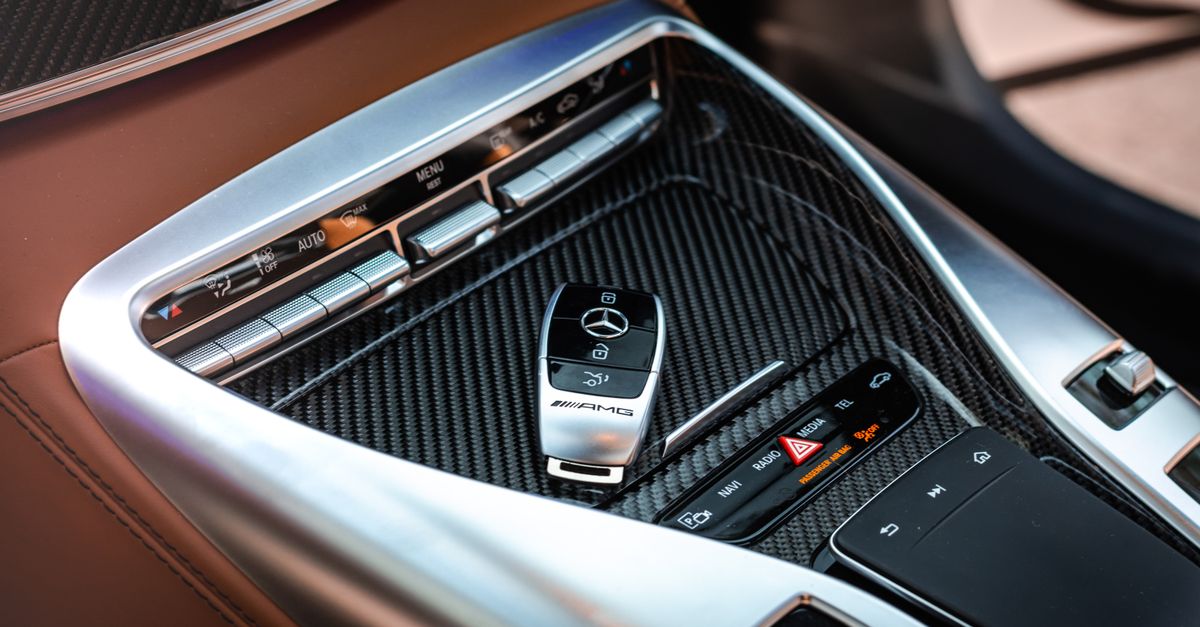
Modern key fobs and smart keys are not passive plastic shells — they contain transponder chips, rolling-code radio transmitters, and in the case of push-to-start proximity keys, encrypted communication modules that must be paired to your vehicle's immobilizer system. When you buy a replacement fob online or at an auto-parts store, you are only getting half of the equation. The physical hardware must still be programmed to your specific vehicle identification number and security module before it will unlock a door or allow the engine to start. Skipping or botching this step is one of the most common and costly mistakes vehicle owners make. Our technicians use OBD-II diagnostic interfaces and manufacturer-level software to complete this pairing accurately the first time, leaving no residual error codes in your vehicle's computer.
Push-to-start systems add another layer of complexity because the vehicle must detect the key's proximity signal before the start button becomes active. If your fob is programmed but the proximity antenna or the key itself is faulty, the car will still refuse to start — a scenario that reads identically to a dead battery. We diagnose both possibilities before recommending a replacement part, which saves San Antonio drivers the frustration of paying for a new key only to discover the problem was elsewhere. Every service we perform is designed to be damage-free to your vehicle's existing wiring and computer systems.